


The advantages of learning to swim early are immense, from reducing the risk of water accidents to boosting physical health and improving social skills at pool parties.
This guide on how to teach kids to swim will guide you through a step-by-step approach to introduce your child to the water, help them get comfortable and teach them fundamental swimming skills.
We’ll also cover how to make swimming lessons for kids engaging while ensuring their safety. Whether starting with a toddler who’s never been in a pool or helping an older child refine their strokes, this guide is designed to support you every step of the way.

When Is The Right Time To Teach Your Kids How To Swim?
When figuring out how to teach your kids to swim, one of the first questions is about timing. According to child development experts, the ideal age to start swimming lessons can be as young as one to four years.
Starting early helps children become comfortable in the water. It’s important for safety, as they are naturally curious and need to understand the basics of water safety from a young age.
5 Basic Safety Rules Before Teaching Your Children To Swim
Water safety is paramount when teaching your kids how to swim. Ensuring that parents and children understand and adhere to basic safety rules can drastically reduce the risk of accidents and create a secure environment for learning.
Below are five essential safety rules that every family should follow:
1. Never Leave Children Unattended
Always keep a vigilant eye on your children in or near water, regardless of their swimming capabilities. Quick and undistracted supervision is crucial, as accidents can happen suddenly and without warning. Even if children play in shallow water or just beside the pool, constant adult supervision is necessary.
2. Use Flotation Devices Wisely
While flotation devices are helpful for beginners to gain confidence in the water, they should not be solely relied upon for safety.
Ensure any floatation device used is appropriate for your child’s weight and swimming ability. Remember, these aids are not substitutes for supervision or the ability to swim.
3. Learn Basic Rescue Techniques
It is essential for any parent or guardian to be equipped with basic water rescue skills and CPR. These skills can make a difference in preventing a serious accident. Regularly updated CPR certifications and familiarity with rescue techniques will prepare you to act quickly and effectively in an emergency.
4. Establish Rules
Clear and enforceable rules regarding pool behaviour are crucial for maintaining a safe environment. Prohibit running, pushing or rough play around the water. Consistent enforcement of these rules helps children understand the seriousness of water safety and behave appropriately.
5. Check the Environment
Before allowing your children to enter a swimming area, always inspect it for potential hazards. Look for slippery surfaces, sharp objects and unguarded water areas that pose risks.
In public pools, ensure lifeguards are present and the area is adequately secured. In home pools, ensure safety equipment is accessible and the pool is in good condition.

How To Choose The Right Swimming Equipment & Environment For Your Kids
Selecting the right equipment and environment is essential when you teach your kids how to swim. Proper gear ensures comfort, safety and ease of learning, while a good environment enhances the learning experience.
Choosing The Right Swim Gear
- Swimsuits should be snug but comfortable, allowing freedom of movement without causing chafing.
- Swim diapers are essential for toddlers and babies to maintain hygiene in the pool.
- Goggles protect the eyes from chlorine and improve visibility underwater, making swimming more enjoyable and effective.
- Floaties can be useful for beginners, helping them gain confidence as they learn basic strokes. However, they should not be relied upon to prevent drowning.
Selecting A Suitable Swimming Environment:
- Public Pools: These are typically well-maintained and supervised, providing a safe environment for beginners.
- Home Pools: Ensure home pools are secured with proper fencing and safety equipment nearby.
- Calm Beaches: If you choose a natural setting like a beach, select shallow, calm areas free of strong currents or waves and always stay close to shore.
How To Teach Kids To Swim At Every Age
Teaching kids to swim is a gradual process that varies depending on the child’s age. As children grow, their abilities and learning styles change, so it’s important to adapt swimming lessons to suit their developmental stages. Here’s how to approach teaching swimming at different ages:
1 to 2 Years Old
For very young children, the key to successful swimming lessons is making sure the experience is safe and enjoyable. At this age, the focus should be on familiarising toddlers with water and making them comfortable in a pool setting.
Here’s how to start teaching swimming to kids aged 1 to 2 years:
- Check Water Temperature: Ensure the pool water is warm, ideally between 85 and 92 degrees Fahrenheit, to keep your toddler comfortable. If your pool isn’t heated, consider using a solar cover to absorb heat from the sun.
- Enter the Water Gradually: Introduce your child to the water slowly while holding them securely. This helps reduce fear and panic, which are common in new swimmers. A calm introduction can help your child feel more comfortable and safe in the water.
- Make the Experience Fun: Use this time to play and interact with your child in the water. Sing songs, play with floating toys and encourage gentle splashing to create a positive association with water.
- Guide Their Movements: Start teaching the motions of swimming by holding your child facing you, locking their arms around your neck and walking backwards in the water. Use your hands to guide their feet in a kicking motion.
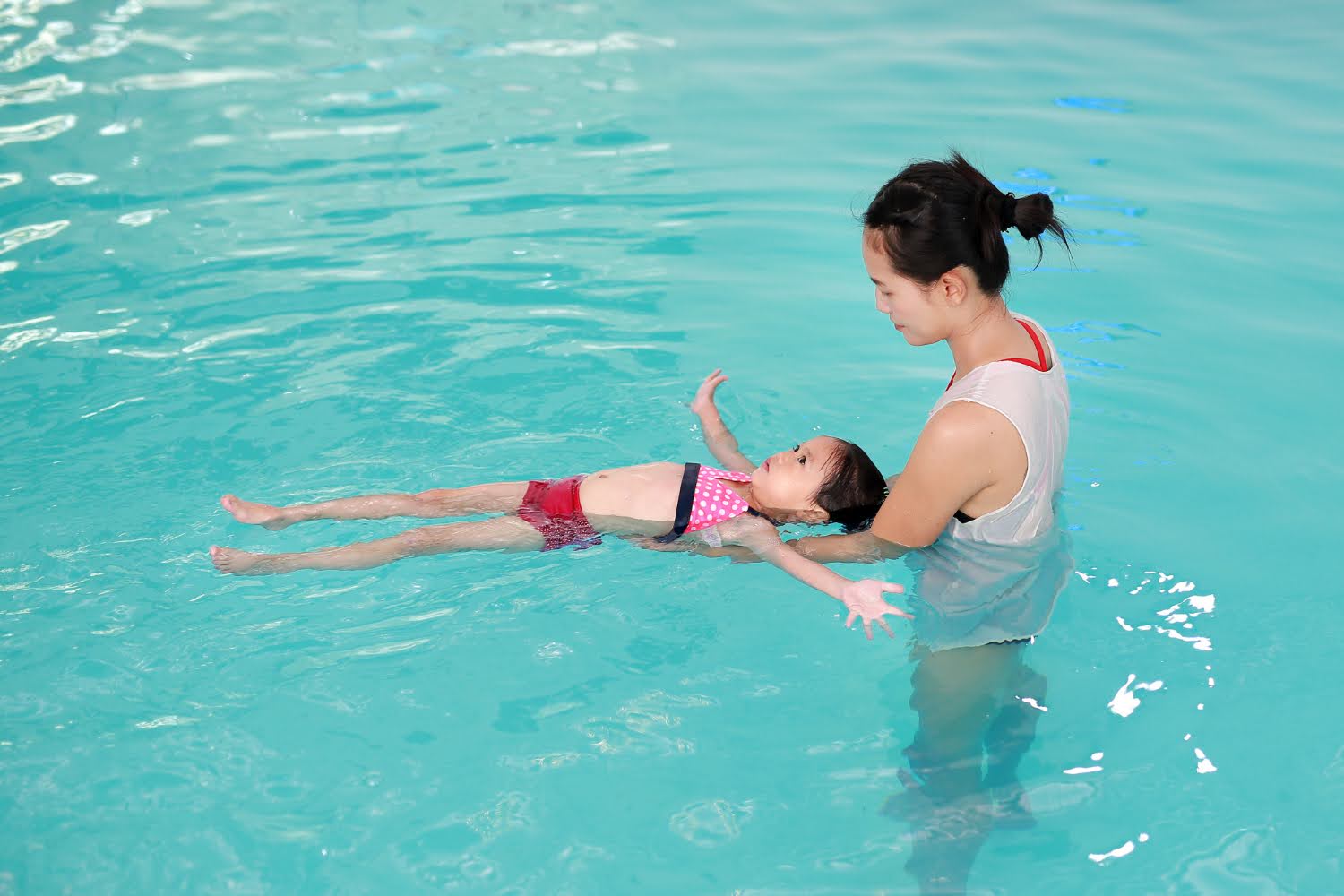
- Introduce Floating: Teach your child to float by supporting them under their arms and gently turning them onto their back while talking calmly and reassuringly. Practice floating with fun games, like pretending they are a superhero flying through the water.
- Demonstrate and Explain Floating: Show your child that floating is possible by doing it yourself. Describe how taking deeper breaths can help them float better since it makes the lungs more buoyant.
2 to 3 Years Old
For children aged 2 to 3, swimming lessons can become more structured as they can follow instructions and engage more actively. Here’s an effective way to teach swimming to kids in this age group:
- Introduce or Reintroduce to Water: If your child is new to swimming or has taken a break, gently reintroduce them to the water. Help them overcome initial apprehension by making their time in the water enjoyable and stress-free.
- Teach Pool Rules: Explain simple pool safety rules such as no running, no horseplay and the importance of swimming with a buddy. These rules help prevent accidents and teach children to behave safely around water.
- Permission to Enter the Pool: Make it clear that your child must always ask for permission before entering the pool. This rule is crucial for preventing unsupervised water access.
- Explain Activities Beforehand: Before starting any new swimming activity, explain it clearly to your child. Demonstrate the actions on land first, like arm movements and kicking, to prepare them for what to expect in the water.
- Bubble Blowing: Teach your child to blow bubbles in the water to help them learn breath control. This skill is essential for swimming and helps prevent the intake of water.
- Swimming Through Play: Engage your child in games incorporating swimming skills. For example, playing “Catch the Fishies” can make learning arm movements fun. Encourage them to use their imagination while practising strokes and kicks.
- Guided Movement: With your support, guide your child through the water, combining bubble blowing, kicking and arm movements. This holistic approach helps them integrate different swimming techniques.
- Underwater Exploration: Gradually introduce your child to going underwater. Prepare them by explaining the process, and practice submerging for short periods, which helps build comfort and confidence underwater.
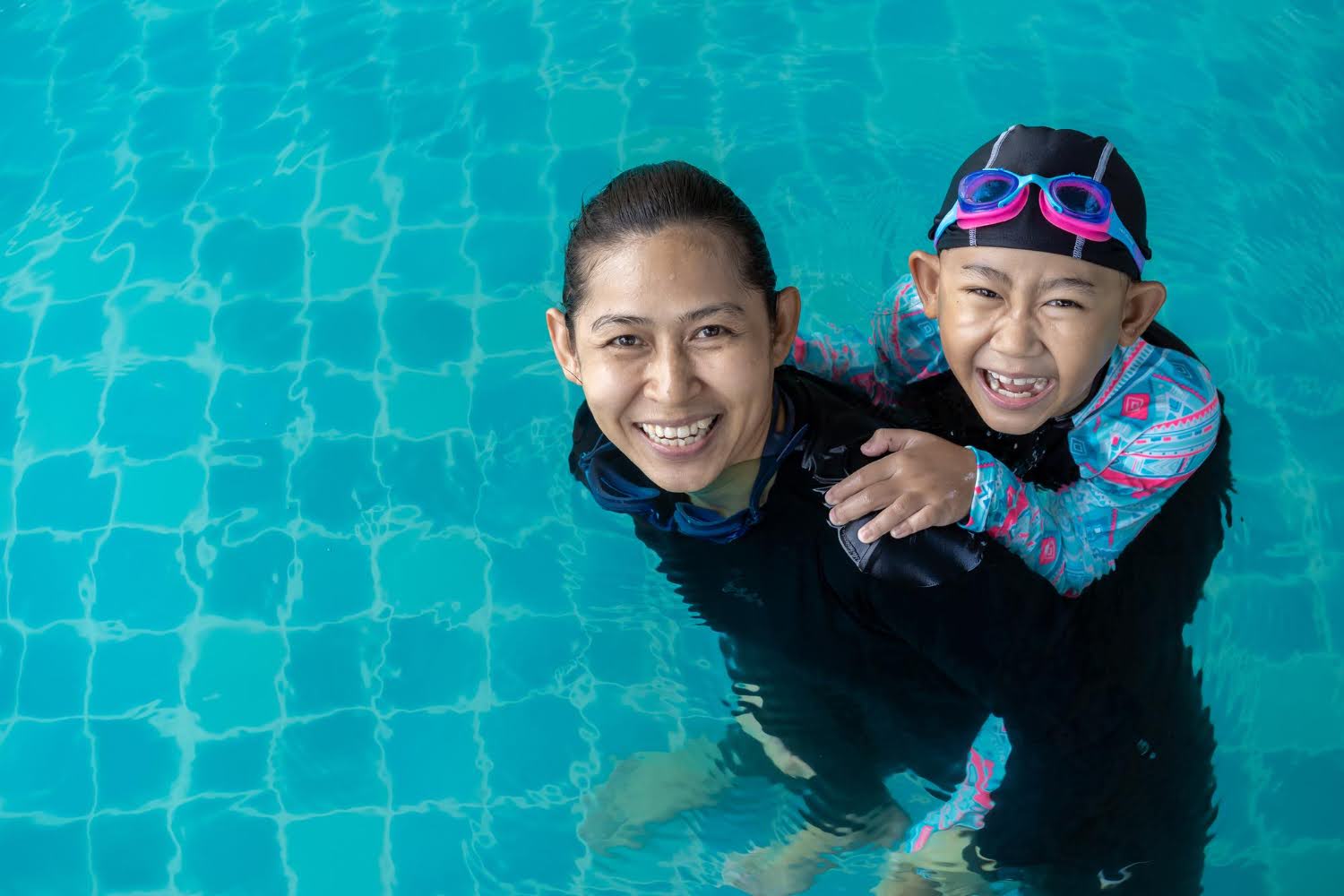
- Independent Movement with Safety: As your child becomes more comfortable, allow them to swim independently with a life vest. This tool provides safety while allowing them to explore and enhance their swimming skills.
- Continuous Supervision: Always supervise your child closely in the pool, regardless of their swimming ability. Continuous oversight ensures safety and guides as needed.
4 to 5 Years Old
Children aged 4 to 5 are usually ready for more formal swimming lessons and can start to learn specific swimming strokes.
At this stage, kids have better coordination and can follow instructions more accurately, making it an ideal time to introduce more complex skills.
Here’s how to approach swimming lessons for 4 to 5-year-olds:
- Introduction to Strokes: Start with simple strokes that are easy for young children to understand and perform. The dog paddle and basic backstroke are good starting points. These strokes are less complex and help build confidence in moving through the water independently.
- Structured Lessons: Start structured swimming lessons with clear instructions and demonstrations. Break each swim stroke into manageable parts, teaching one element at a time. For example, focus on leg movements one day and arm movements the next.
- Use of Pool Tools: Incorporate pool noodles or kickboards into the lessons. These tools can help children practise kicking and arm strokes without worrying about sinking. They also make the learning process fun and engaging.
- Practice Jumping and Diving: Teach children to safely enter the pool by jumping from the side under supervision. Start with sitting dives and progress to standing jumps as they gain confidence. Always ensure a safe water depth for diving and jumping activities.
- Reinforce Safety Skills: Emphasise important safety practices like floating and treading water. These skills are crucial for emergencies and help the child feel secure in the water.
- Interactive Games: Use games to teach and reinforce new swimming skills. Games like “treasure hunt” (diving for objects) or “follow the leader” (mimicking swimming strokes) can make learning enjoyable and less structured.
- Encouragement and Support: Constant encouragement is vital. Celebrate small achievements to boost their confidence and interest in swimming. Provide plenty of positive reinforcement and avoid criticism to keep their spirits high.
- Regular Practice: Consistency is key in mastering any skill. Ensure regular practice sessions to help children refine their strokes and build endurance.
- Water Safety Education: Educate them about the risks associated with water and why they must always be careful. Understanding the why behind the rules can help children remember and adhere to them more effectively.

6 Years Old and Up
As children reach the age of 6 and older, they can handle more complex swimming techniques and begin to refine their skills for greater proficiency in the water.
This is a pivotal time for enhancing their swimming capabilities and ensuring they develop strong water safety habits.
Here’s a comprehensive approach to teaching swimming to children aged 6 and up:
- Advanced Stroke Techniques: At this age, children can start learning more advanced strokes such as the freestyle, breaststroke and butterfly.
Break down each stroke into sequential steps, focusing on proper form and technique. Provide demonstrations and use slow-motion videos to help them visualise the movements.
Endurance and Strength Training: Incorporate exercises that build endurance and strength. Encourage swimming longer distances under supervision and use drills that enhance their stamina and speed. This not only improves their swimming ability but also boosts their overall fitness. - Diving Skills: Teach proper diving techniques, starting from the side of the pool and progressing to diving blocks if available. Ensure that children understand the safety aspects of diving, such as checking water depth and diving only in designated safe areas.
- Safety and Lifesaving Skills: At this stage, it’s crucial to reinforce water safety education. Teach children life-saving skills such as how to tread water for extended periods, what to do if they or someone else is in trouble and how to use life-saving devices.
- Competitive Swimming: If the child shows interest, introduce them to competitive swimming concepts.
This can include learning about different racing techniques, starts and turns and participating in swimming meets. This honed their skills and added a fun and competitive element to their swimming experience. - Regular Feedback and Progress Checks: Provide regular feedback on their progress and set achievable goals. This helps them stay motivated and aware of their improvements. Regular assessments also allow you to adjust the training regimen according to their needs and abilities.
- Social Aspects of Swimming: Encourage participation in group swimming activities or swimming clubs. This helps build social skills and allows children to learn from their peers. Swimming in a group can also make the experience more enjoyable and less daunting.
- Confidence Building Activities: Plan activities that challenge them slightly beyond their current capabilities to help build confidence. Overcoming these challenges can boost their self-esteem and encourage a positive attitude towards learning new skills.
- Fun and Enjoyment: Despite the more structured learning approach, it’s important to keep swimming fun. Use games, themed activities and family swim days to keep the interest alive and to reinforce that swimming is a joyful and rewarding activity.
Conclusion On How To Teach Kids To Swim
Starting your child’s swimming lessons begins with ensuring their safety around water. Ensure your child knows the rules of the pool or beach, and always keep them within sight and close by while swimming.
If you want to ensure your child’s safety while learning to swim, consider enrolling them in swimming lessons for children conducted by a certified swimming instructor. They have the training to ensure your child learns safely and effectively.
Certified swimming instructors can also create personalised lesson plans for each child’s age and skill level, making learning enjoyable and efficient. This is a great way to ensure your child develops strong swimming skills while following water safety standards.
Contact Splashwerks if you want group or private swimming lessons in Singapore for your kids.
Frequently Asked Questions On How To Teach Kids To Swim
Are There Specific Swimming Strokes That Are Easier For Children To Learn First?
The dog paddle and basic backstroke are generally considered the easiest strokes for children to learn. These strokes require less coordination and allow the child to keep their head above water, making them more comfortable when starting.
How Long Does It Typically Take For A Child To Learn How To Swim?
The time it takes for a child to learn how to swim varies widely based on their age, comfort level in the water and consistency of lessons. Generally, a basic level of proficiency can be achieved
within a few months of regular lessons.
What Safety Certifications Should A Swimming Instructor In Singapore Have?
In Singapore, a swimming instructor should be NROC-certified (National Registry of Coaches), which ensures they meet specific coaching standards and have undergone proper training in safety and instructional techniques.
How Much Do Swimming Lessons In Singapore Typically Cost With A Certified Instructor?
The cost of swimming lessons in Singapore with a certified instructor typically ranges from $35 to $80 per lesson, depending on the class size. Smaller class sizes or private lessons tend to be at the higher end of this price range.
What Should I Expect During My Child’s First Swimming Lesson With A New Instructor?
During your child’s first swimming lesson with a new instructor, expect an introduction to the water and basic safety rules.
The instructor will likely assess your child’s comfort and skill level in the water to tailor subsequent lessons appropriately. It’s also a time for your child to get accustomed to the instructor’s teaching style.


